
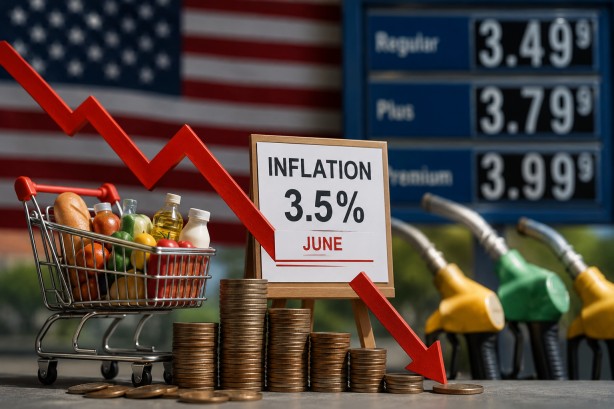
The pace of annual inflation in the United States eased to 3.5% in June, primarily due to a temporary reduction in energy prices that helped diminish overall consumer expenses. This latest update from the Consumer Price Index (CPI) indicates a cooling off from previous months when inflation had surged to higher levels. A significant factor in the monthly decline was the drop in gasoline and fuel prices, which counterbalanced price hikes in sectors such as food, housing, and utilities.
Core inflation, a key metric that excludes the often-volatile costs of food and energy, decreased to 2.6% annually. This figure is closely watched by the Federal Reserve as it provides a clearer picture of underlying inflation trends without the influence of fluctuating energy costs. Despite this moderation, the central bank’s long-term inflation target of 2% remains unmet, which could affect future monetary policy decisions.
However, the recent reduction in inflation might be short-lived due to rising global oil prices, spurred by escalating tensions in the Middle East. The increase in crude oil prices is already impacting consumers, leading to higher fuel costs and raising operational expenses for industries heavily reliant on transportation, such as aviation.
As the Federal Reserve prepares for its upcoming policy meeting later this month, it faces the challenge of balancing the latest inflation data with current labor market conditions. The central bank will deliberate on these factors to determine the future course of interest rates, with inflation still above its target. The uncertainties surrounding global oil markets add complexity to their decision-making process, highlighting the delicate task of managing economic stability.