
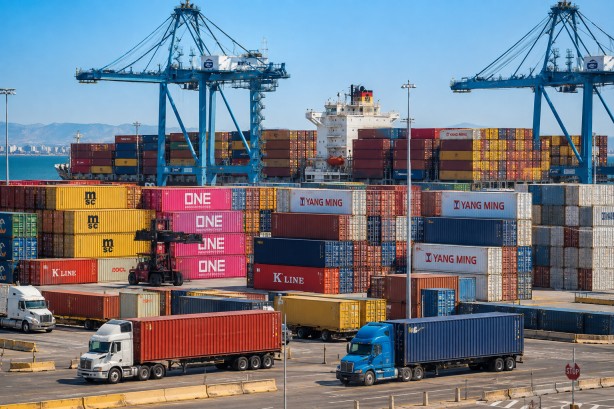
The United States government has refunded approximately $100 billion in tariffs that were collected during President Donald Trump’s administration. This action follows a Supreme Court ruling that deemed a substantial portion of these tariffs, imposed under Trump’s “Liberation Day” trade measures, to be unlawful. The refunded amount constitutes about 60% of the $165 billion accumulated prior to the court’s decision. These tariffs had been a cornerstone of Trump’s trade policy, which aimed to promote domestic manufacturing, secure advantageous trade deals, and boost government revenues.
Following the Supreme Court’s decision, the administration moved swiftly to reimburse the affected companies with the duties that had been collected. Even with these refunds, the US federal budget deficit has continued to expand, reaching $1.37 trillion in the first nine months of the current fiscal year. This growing deficit highlights ongoing financial challenges, despite the reversal of the previously collected tariffs.
In a significant move last month, the Trump administration announced a new series of tariffs, ranging from 10% to 12.5%, on imports from over 80 countries, including major economies like India, China, the United Kingdom, Canada, Mexico, Australia, and members of the European Union. The administration justified these tariffs on the grounds of addressing concerns related to products linked to forced labor, maintaining a strong stance on ethical trade practices.
However, these latest tariffs are encountering legal obstacles. A coalition of 25 US states has filed challenges against the new measures, arguing that they unlawfully replace the tariffs that were struck down by the Supreme Court. This ongoing legal battle reflects the contentious nature of trade policies and the complexities involved in navigating international trade agreements under the current administration.