
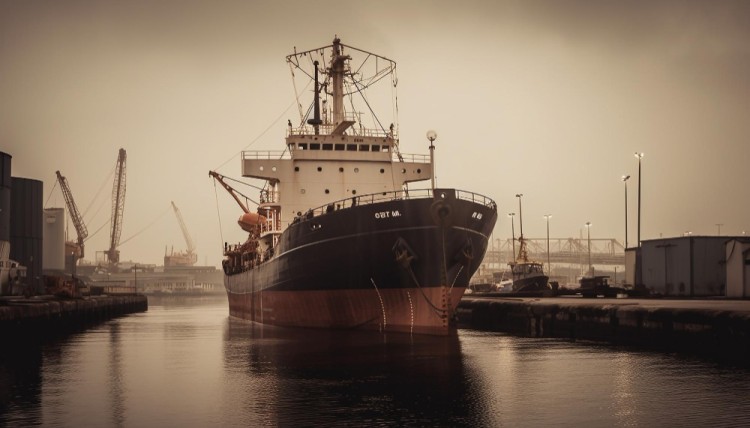
Despite a recent agreement between the United States and Iran, the commercial shipping situation through the Strait of Hormuz remains highly restricted. Industry officials emphasize that normal operations will not resume until numerous naval mines are cleared from the area. The international tanker owners’ association has identified approximately 80 mines still present in the central shipping channel, posing a significant threat to commercial vessels navigating this crucial route.
Many ships have opted to use a narrower path along the Omani coast to traverse the strait, but this alternative route is not without its own risks. Industry experts warn that this path increases the likelihood of groundings and maritime accidents. Consequently, hundreds of vessels are currently stranded in the Gulf, resulting in a substantial backlog that could take weeks or even months to resolve. Additionally, shipping companies are troubled by reports of electronic signal interference during the conflict, which has disrupted navigation systems and increased the risk of collisions in this busy waterway.
The Strait of Hormuz serves as one of the most vital energy corridors in the world, responsible for transporting a significant portion of global oil exports. Continued disruptions in this area have the potential to impact global supply chains, elevate shipping costs, and influence energy markets on a broad scale.
Compounding concerns for the maritime industry is Iran’s proposed introduction of transit fees for commercial vessels, which is expected to follow the expiration of a temporary toll-free period. Shipping companies argue that imposing such charges in international waters would contravene established maritime law and could set a worrying precedent for other major global shipping routes.