
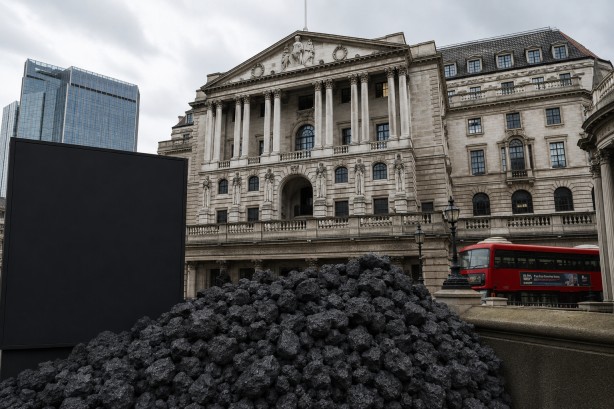
In a move to address climate-related financial risks, the Bank of England has declared that starting in October, it will cease accepting bonds linked to thermal coal companies as collateral in its lending operations. This decision marks a pivotal step for the central bank as it aligns its policies with the global shift toward sustainable energy sources.
Commercial banks often use bonds as collateral when borrowing from the central bank to facilitate daily operations and ensure smooth transaction settlements. However, under the new guidelines, bonds associated with thermal coal, which is primarily used in power plants for electricity generation, will be excluded from eligibility. This policy change reflects the increasing financial risks faced by companies involved in thermal coal, as nations worldwide expedite their transition to cleaner energy and aim for net-zero emissions. Consequently, assets tied to coal may diminish in value over time.
The initiative also empowers the Bank of England to impose discounts on bonds from other sectors that are vulnerable to climate risks, thereby safeguarding its balance sheet against potential losses. This strategic move has garnered praise from environmental groups, who assert it sends a compelling message to financial markets and could prompt commercial banks to reassess their exposure to high-pollution industries. Notably, over 150 major financial institutions globally have already implemented limitations on businesses linked to the thermal coal industry.
Experts suggest that the ultimate success of this policy will hinge on the assessment of climate risks and whether similar regulatory measures are applied to other environmentally detrimental activities in the future. This development underscores the growing recognition of climate risks within the financial sector and the proactive steps being taken to mitigate them.