
British households are bracing for a renewed cost-of-living squeeze as the Office for Budget Responsibility flags a potential jump in inflation. Senior economist David Miles informed the Treasury committee that the military confrontation in the Middle East could add a full percentage point to previous inflation estimates. This would effectively keep the rate pinned at 3%, rather than falling toward the desired 2% level.
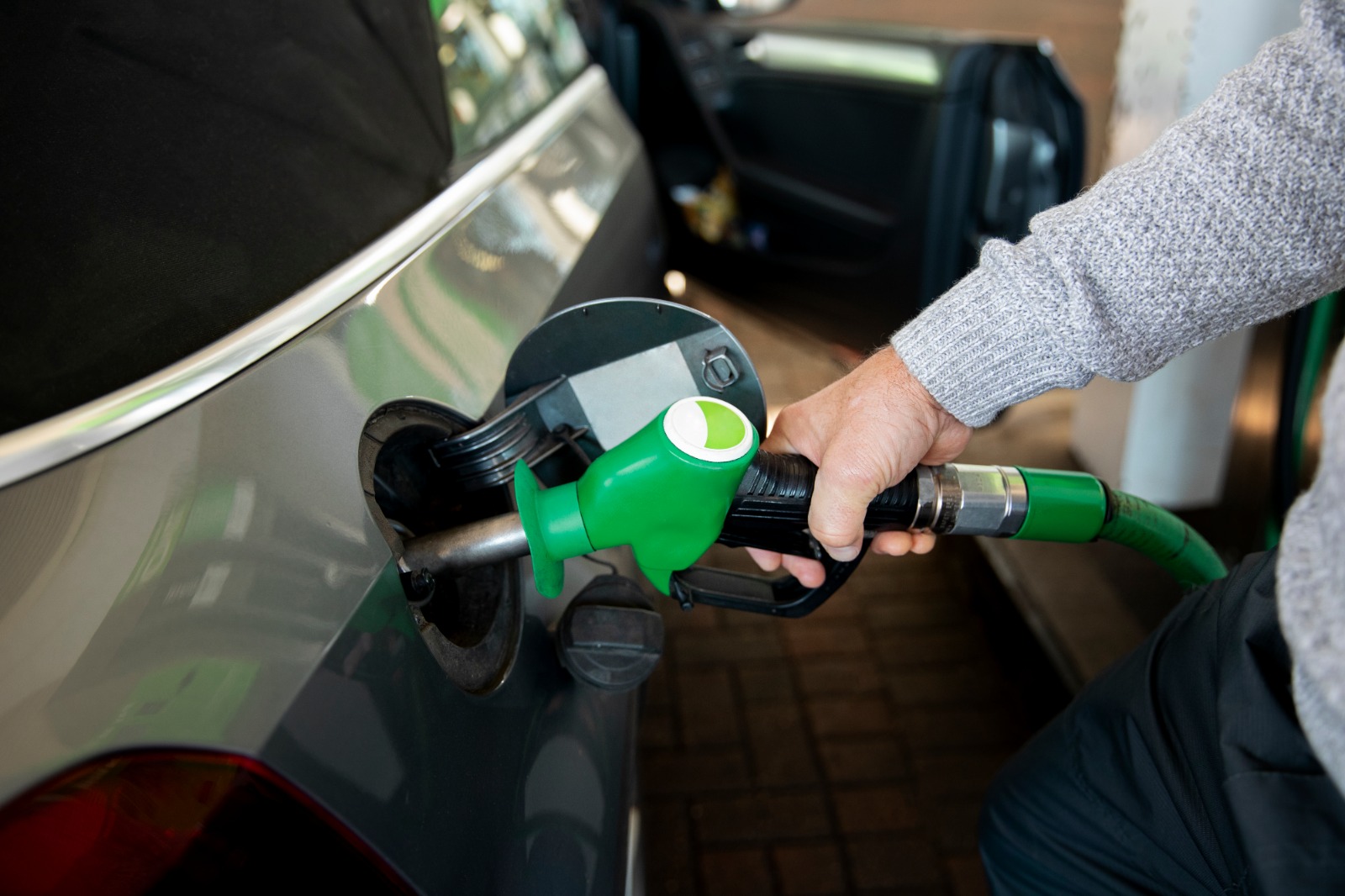
The catalyst for this economic shift is the recent wave of bombing campaigns involving US and Israeli forces against Iranian targets. These geopolitical tensions have caused gas prices to surge by over 50% and oil prices to rise by nearly a fifth since the start of the month. Such drastic changes in wholesale energy costs move quickly through the supply chain, impacting everything from home heating to grocery prices.
Chancellor Rachel Reeves has been forced to defend the government’s fiscal stance amidst these rising pressures. Despite calls from the opposition to scrap a planned fuel duty increase in September, Reeves insisted that the most effective way to lower prices is through regional de-escalation. She emphasized that the market remains incredibly volatile, evidenced by a sharp 24% drop in oil prices in a single 24-hour window earlier this week.
The impact on the financial sector is equally pronounced, as the prospect of higher-for-longer inflation reshapes market expectations. Interest rate cuts, which many homeowners were hoping for to ease mortgage burdens, now seem unlikely in the immediate future. The Bank of England is expected to maintain a cautious stance at its next policy meeting to prevent the energy shock from triggering a wider inflationary spiral.
Looking ahead, the Treasury faces a difficult balancing act between fiscal responsibility and public support. With only about £23bn in fiscal headroom, the government lacks the resources to replicate the massive energy price guarantees seen in 2022. The UK’s economic stability now rests heavily on the duration of the conflict and whether global oil supplies remain steady.