
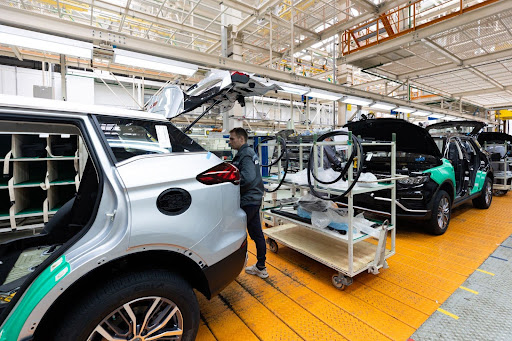
Canada’s manufacturing activity took a hit in January, falling to $68.7 billion as the automotive sector experienced a sudden slowdown. A 3% monthly decrease in overall sales reflected the quietest period for motor vehicle production since the autumn of 2021. This trend indicates a temporary pause in the momentum that has characterized the industrial sector over the last two years.
The heart of the issue lies in Ontario’s heavy concentration of vehicle assembly facilities. These plants are essential components of the North American supply chain and dictate the rhythm of regional employment and spending. Any disruption in their operating schedule immediately echoes through the national economic statistics.
The specific cause of the slump was a series of scheduled shutdowns that were extended throughout January. Manufacturers used this time to overhaul assembly lines and prepare for the launch of updated vehicle models. Consequently, motor vehicle sales plummeted by 38.9%, dragging the entire transportation subsector down by double digits.
Beyond the garage, the machinery manufacturing sector also saw a decline of 5.6%. This suggests that the slowdown was not entirely isolated to cars, though the auto industry was the primary culprit. Economists often look at constant dollar values to gauge true health, and in this case, the 3.9% drop in volume confirms a genuine reduction in factory output.
Looking ahead, the industry expects a rebound as retooling efforts conclude and plants return to full capacity. Interestingly, the “miscellaneous” manufacturing category provided a rare bright spot, growing to an all-time high of $1.5 billion. This suggests that while heavy industry is in transition, smaller manufacturing niches are finding ways to expand.