
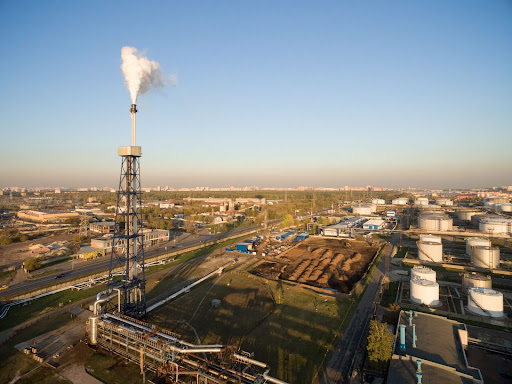
In a bid to curb rising inflation at the pump, the United States has granted a one-month reprieve for buyers of Russian-origin oil currently stuck in maritime transit. The Treasury Department’s announcement is intended to soothe a volatile market where Brent crude has surged past the $100 mark for the first time in years. This move follows a series of military escalations in the Middle East that have effectively throttled global shipping lanes.
The geopolitical landscape has shifted rapidly as the war against Iran threatens to push oil toward $200 per barrel. Iranian forces have reportedly begun mining the Strait of Hormuz, making commercial passage nearly impossible despite US promises of naval escorts. This “energy war” has forced Washington to reconsider its rigid stance on Russian supplies to prevent a total economic meltdown at home.
The 30-day authorization allows international refiners, including those in India, to process stranded Russian cargoes without fear of US retaliation. Officials claim this is a logistical necessity rather than a political concession to Moscow. However, Russian economic envoys have characterized the move as an admission that the global market cannot function without their resources.
International reaction to the waiver has been mixed, highlighting the difficult balance between punishing Russia and maintaining economic stability. While the IEA has authorized a massive release of crude reserves, the volume has yet to offset the loss of Middle Eastern production. G7 leaders remain divided, with some fearing that any relaxation of sanctions sends a weak signal to the Kremlin.
Domestically, the administration is walking a tightrope between its “maximum pressure” campaign on Iran and the need for affordable energy. President Trump has maintained that stopping Iran’s nuclear ambitions is the ultimate goal, even as fuel prices become a central theme of the upcoming election cycle. The next month will be a critical test of whether the US can manage two simultaneous geopolitical crises without a domestic recession.